Youssef Chahine
Career
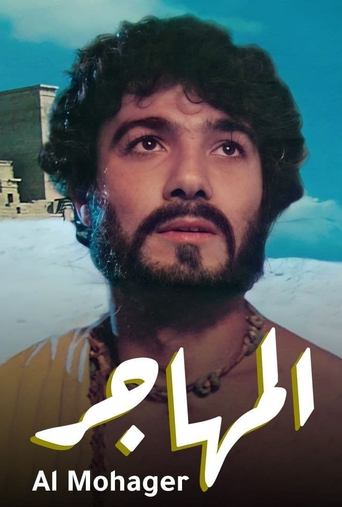
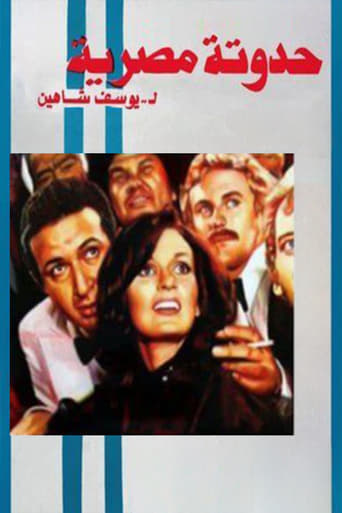
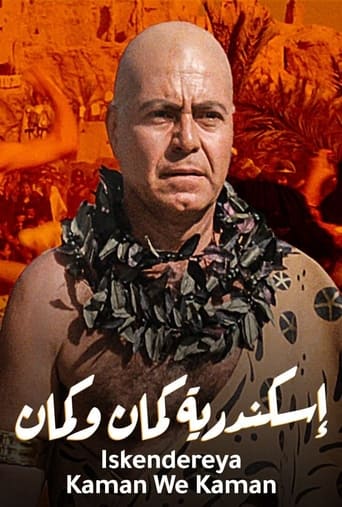
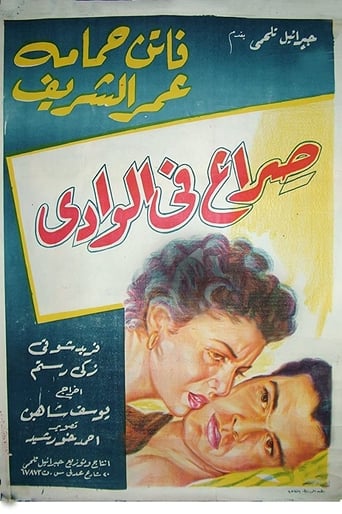
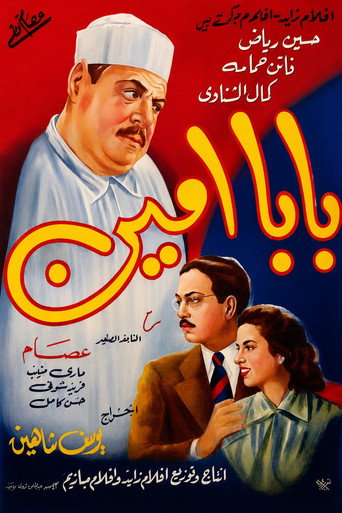
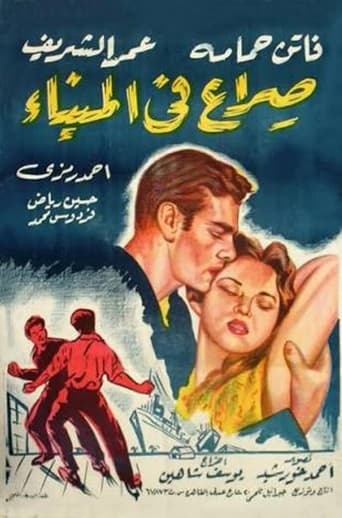
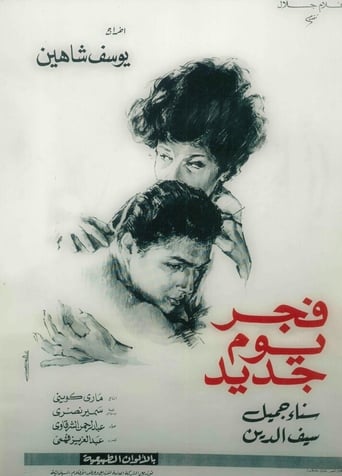
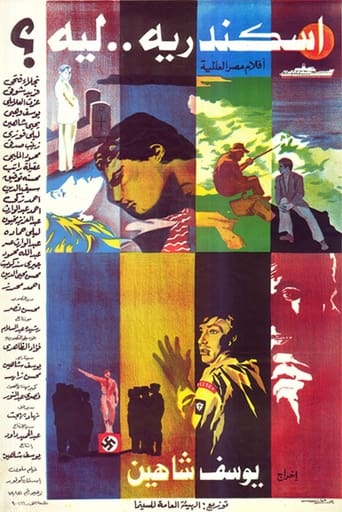
Youssef Chahine was born in 1926 in Alexandria, Egypt. He initially attended a school run by the Franciscan Brothers and subsequently Victoria College, completing his High School Certificate. After one year at the University of Alexandria, he travelled to the USA and spent two years at the Pasadena Play House, where he took courses in film and dramatic art. Upon returning to Egypt, cinematographer Alevise Orfanelli helped him enter the film industry. He made his directorial debut in 1950 with „Baba Amin"; a year later, „Son of the Nile" earned him his first invitation to Cannes. In 1970, he won a Golden Tanit at the Carthage Festival; with „Le moineau" (1973), he realised the first Egyptian-Algerian co-production. For „Alexandria... Why?" (1979), the beginning of his autobiographical trilogy, he won a Silver Bear in Berlin; he continued the trilogy with „Hadduta Masriya" (1982) and „Alexandria: Again and Forever" (1989). In 1992, at the suggestion of Jacques Lassalle, he directed an adaptation of Albert Camus' „Caligula" for the Comédie Française. In the same year, he began work on „The Emigrant" (1994), which he followed in 1997 with „Destiny", which brought him back to Cannes outside the competition.
Filmography in our catalogue
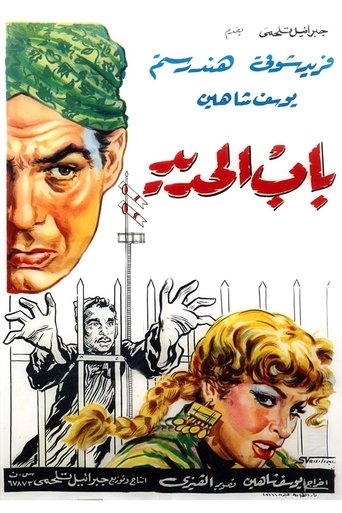
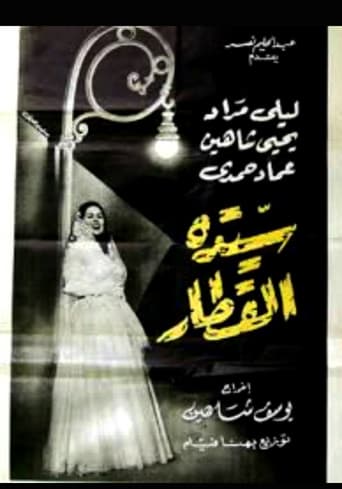
In our catalogue, Youssef Chahine is represented by a single title: „Tatort… Hauptbahnhof Kairo" from 1958, positioned between crime, drama and thriller. The film was made 32 years after his birth and thus falls early in his career, well before the later milestones mentioned.
Assessment
The title achieves a rating of 7.4 out of 10 with us, which indicates an overall positive reception. Since only a single title is available and it was made in 1958, our collection does not allow for an overview of his later work – the rating refers solely to this one early film.
Filmography (as director)