
Spartacus (1960)
Add to watchlistAt a glance
| Director | Stanley Kubrick |
|---|---|
| Genre | History, Drama, Adventure |
| Runtime | 197 minutes |
| Release date | 1960-10-13 |
| Age rating | 12 |
| Budget | 12,000,000 $ |
| Box office | 60,000,000 $ |
| TMDB rating | 7.5 (2,506 votes) |
Trailer
Playing loads the video from YouTube (Google), which receives your IP address.
What it is about
Gladiators in the arena of Capua fight to the death for the entertainment of Roman rulers. When the merciless Praetor Crassus executes one of the enslaved fighters, the fearless gladiator Spartacus sees his moment. He conceives a daring plan: to lead not just his fellow slaves, but all enslaved people in the Roman lands back to their homelands and freedom. With Varinia, a slave woman who loves him, at his side, Spartacus begins to gather an army. But Crassus, threatened by this rebellion and hungry for power, mobilizes the legions of Rome against the rebel and his growing force. What follows is a brutal collision between the enslaved and the empire itself.
How it came about
Stanley Kubrick directed this historical drama in 1960, with Kirk Douglas in the lead role alongside Laurence Olivier as Crassus, Jean Simmons as Varinia, and Charles Laughton. The film is rated 12. It combines the spectacle of ancient Rome with the weight of a political uprising, grounding its story of rebellion in the actual historical figure of Spartacus and the gladiatorial system of the late Roman Republic.
Behind the scenes
The film draws its power from the collision between individual ambition and systemic oppression. Crassus represents the corrupted machinery of empire; Spartacus embodies the possibility of resistance. The scope of the narrative—moving from the confined brutality of the arena to the mobilization of an entire army—mirrors the escalation from personal defiance to mass uprising. The presence of enslaved people as the driving force of the story shapes everything that follows.
Context and impact
Nearly 65 years after its release, the film holds a rating of 7.5 from a substantial audience base. It remains a touchstone within historical cinema, anchoring the epic drama squarely in questions of freedom, power, and the human cost of empire that extend far beyond its Roman setting.
Images


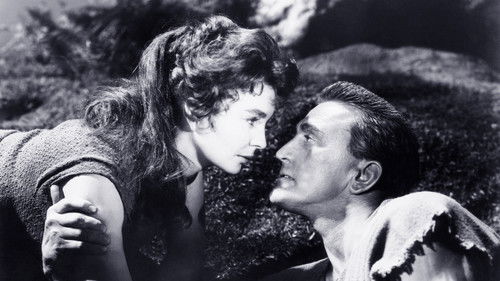


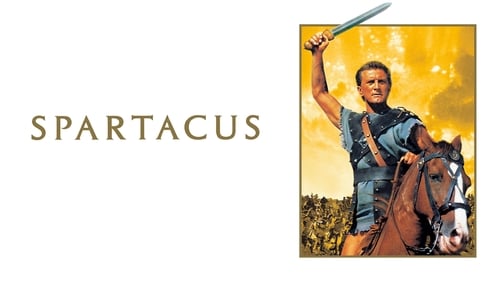


Cast & crew
- Kirk Douglas as Spartacus
- Laurence Olivier as Marcus Licinius Crassus
- Jean Simmons as Varinia
- Charles Laughton as Sempronius Gracchus
- Peter Ustinov as Lentulus Batiatus
- John Gavin as Julius Caesar
- Tony Curtis as Antoninus
- Nina Foch as Helena Glabrus
- John Ireland as Crixus
- Herbert Lom as Tigranes Levantus
More films by Stanley Kubrick





Similar titles




Availability
Not currently included in any known streaming subscription.