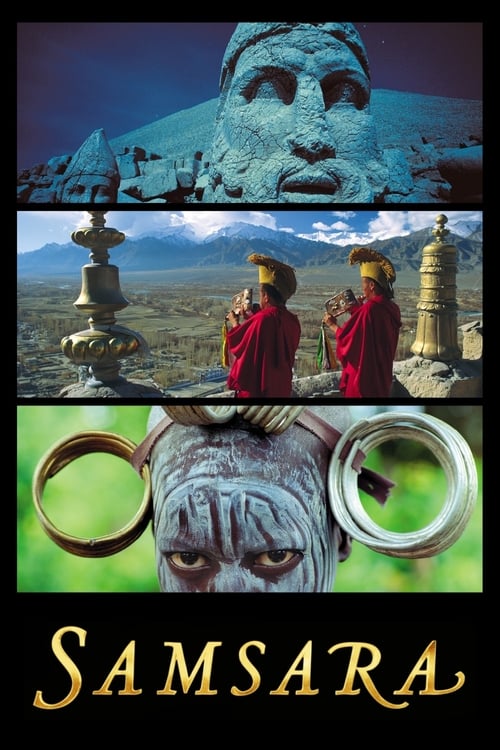
Samsara (2011)
Add to watchlistAt a glance
| Director | Ron Fricke |
|---|---|
| Genre | Documentary |
| Runtime | 102 minutes |
| Release date | 2011-09-16 |
| Age rating | R |
| Budget | 4,000,000 $ |
| Box office | 2,639,616 $ |
| TMDB rating | 8.1 (726 votes) |
Trailer
Playing loads the video from YouTube (Google), which receives your IP address.
What it is about
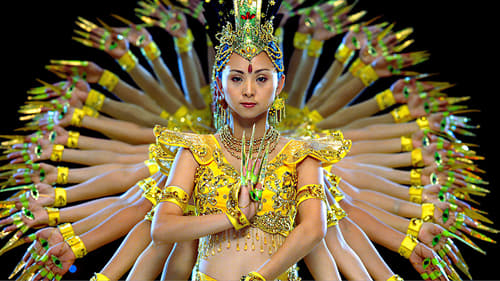
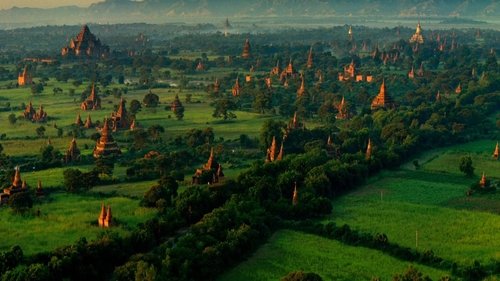
The Sanskrit concept of samsara—the endless turning wheel of life, the eternal cycle of birth and decay—frames a visual journey across the globe. The film moves from Buddhist monasteries to Balinese temples, into prisons and weapons factories, past sacred sites and landscapes ravaged by human industry, to pilgrims journeying to Mecca. Throughout, the camera captures fundamental oppositions that structure human existence: birth and death, tradition and modernity, faith and hope, struggle and forgiveness. These contrasts become a meditation on whether our life cycles still align with the rhythms of the planet itself, or whether we have drifted from that balance.
How it came about
Ron Fricke directed this documentary in 2011 without dialogue or conventional narration. The cast listed—Ni Made Megahadi Pratiwi, Puti Sri Candra Dewi, Putu Dinda Pratika, and Marcos Luna—represents the ordinary people encountered along the way rather than performers in a traditional sense. The film carries no age restriction, opening it to viewers of all ages. Its visual composition takes precedence: each frame is meticulously constructed down to the smallest detail, prioritizing the power of imagery over words.
Behind the scenes
The structure rests on visual symmetry and thematic pairing. By juxtaposing opposing realities—sacred and profane, creation and destruction, spiritual practice and industrial machinery—the film asks what binds these extremes together. The choice to film across vastly different cultures and contexts suggests an ambition to find universal patterns within human experience, traced through both celebration and trauma.
Context and impact
With a rating of 8.1 from an audience in the low hundreds, the film speaks primarily to viewers actively seeking contemplative documentary work. Thirteen years after its release, it remains a visual statement about whether modern life preserves any connection to cyclical natural rhythms, or whether industrialization has broken that ancient correspondence irreversibly.
Images



Cast & crew
- Ni Made Megahadi Pratiwi as Dancer: Valinese Tari Legong Dancers, Indonesia
- Puti Sri Candra Dewi as Dancer: Valinese Tari Legong Dancers, Indonesia
- Putu Dinda Pratika as Dancer: Valinese Tari Legong Dancers, Indonesia
- Marcos Luna as Tattoo Daddy: USA
- Hiroshi Ishiguro as Professor and Robot Clone: Japan
- Olivier De Sagazan as Man At Desk: France
- Ladyboys of Cascade Bar as Dancers: Thailand
- Kikumaru as Geisha: Japan
- Crisanto Neire as Lead Singer: Cebu Provincial Detenton Center, Philippines
- Robert Henline as US Army Veteran: USA (as Staff Sergeant Robert Henline)
More films by Ron Fricke
Similar titles




Availability
Not currently included in any known streaming subscription.